
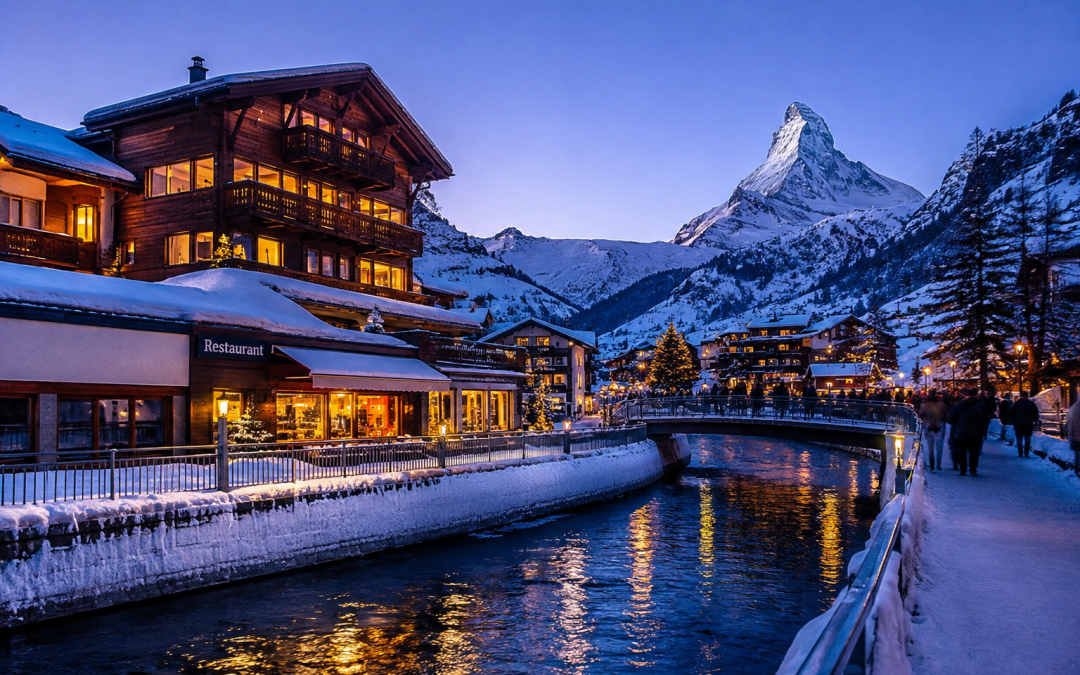
Winter Package Holidays
Winter package holidays cover more ground than the search term suggests. Some readers mean a beach escape to the Caribbean or Canaries; others mean Lapland or the Alps. Some are trying to work out if a bundled deal is genuinely cheaper than booking flights and a hotel separately; others just want to know they’re covered if something goes wrong. This article is built to answer all three questions at once — what a package actually includes, when booking one beats doing it yourself, and what it realistically costs — so you can compare deals with a clearer head than the brochure copy gives you.
Last reviewed: August 2026
Quick answer: A winter package holiday combines at least two travel services — typically flights and accommodation, sometimes with transfers or other services — into one booking. Flight-inclusive packages sold by ATOL-protected organisers can carry ATOL protection, while other package arrangements may have different financial protection.
Why This Search Is More Complicated Than It Looks
“Winter package holidays” gets used for two genuinely different trips. One is winter sun — flying somewhere warm while the UK is cold. The other is cold-weather travel — Lapland, the Alps, Northern Lights breaks — sold under the same “Winter Package Holidays” label by the same operators. Both get marketed with similar deposit offers and similar-looking price tags, but they answer different questions and carry different inclusions.
Underneath both sits a second question that most search results skip past: is the “package” actually cheaper than booking the same trip yourself? The answer changes by destination, and getting it right is worth more to your budget than which specific resort you pick.
What Actually Counts as a Package
Not every bundled deal is legally a “package,” and the distinction matters for your money. Under the UK’s Package Travel and Linked Travel Arrangements Regulations 2018, a booking is a package when it combines at least two different types of travel service — transport, accommodation, car hire, or another significant tourist service — for the same trip, provided the trip lasts at least 24 hours or includes overnight accommodation. It counts as a package when those services are sold at a single or inclusive price, selected together before you agree to pay, advertised or sold using the term “package” or a similar term, or combined afterwards by passing your details to another provider within 24 hours of booking the first service.
That classification decides who’s responsible if something goes wrong. A genuine package puts one company on the hook for the whole trip. A “linked travel arrangement” — where you pick services separately at the same point of sale, or accept a follow-up offer within 24 hours — carries weaker, purely financial protection, with no single company answerable for the trip as a whole. Book everything independently and neither protection applies.
Important for 2027 travel: UK package-travel rules are changing from April 2027. The current linked-travel-arrangement framework is due to be reformed, with some arrangements moving into the package definition and the existing LTA categories changing. If your winter 2026/27 trip falls after the new rules take effect, check the protection stated in your booking documents rather than relying solely on the current LTA definition described above.
Where Winter Package Holidays Actually Go
Short-haul winter sun
The Canary Islands, Egypt and Morocco stay warm enough through December and February for a beach trip without a long flight, and these destinations often have a wide range of competitively priced package options, since dozens of operators fly the same routes. Lanzarote and Fuerteventura hold their temperature most reliably through winter; mainland Spain and Portugal are a few degrees cooler and better suited to travellers who want mild weather for sightseeing rather than guaranteed beach heat.
Long-haul winter sun
The Caribbean, Maldives and Dubai sit in their genuine dry season during UK winter. Winter coincides with the popular dry-season travel period in these destinations, which can push prices higher — and it’s also often where a package is worth pricing seriously: long-haul flights carry more financial exposure if something goes wrong, and bundled ATOL-protected deals can match or beat piecing the trip together yourself. Routes to some of these destinations run seasonally, so a route that looks unavailable in a summer search may simply not operate outside winter.
Cold-weather packages
Lapland trips and alpine ski holidays are sold under the same “Winter Package Holidays” umbrella but are a different product entirely. Kit hire, lift passes and guided excursions may or may not sit inside the headline price, and both Northern Lights visibility and reliable snow cover depend on travelling in the right window — broadly November to March — so a cheap date outside that window may not deliver what you’re paying for. These trips are also more likely to be sold as short breaks (2-4 nights) rather than a full week, which changes how the per-night cost compares to a beach package.
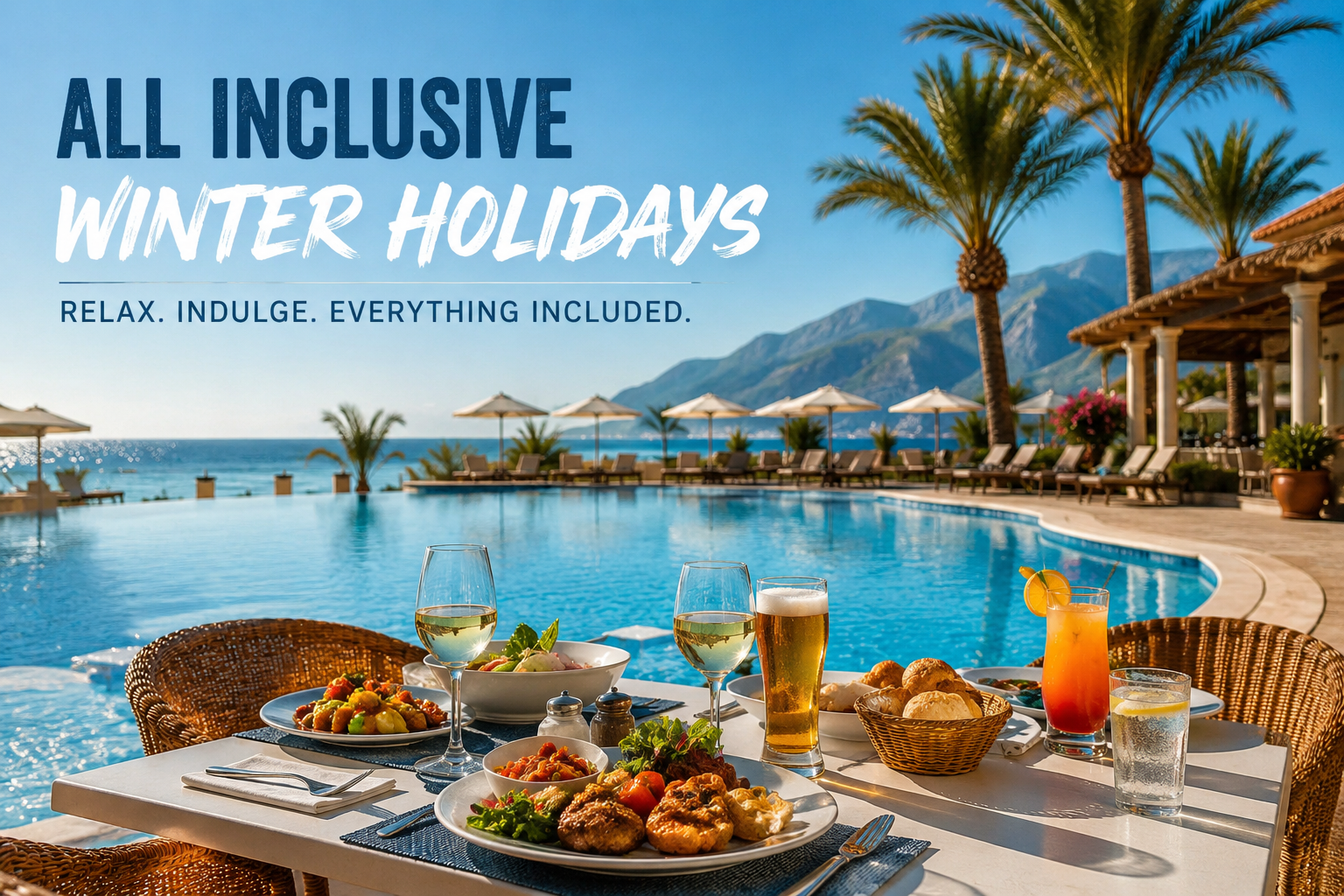
All-Inclusive Winter Holidays: Where They Actually Pay Off
All-inclusive Winter Package Holidays make the most financial sense in two situations: longer trips (a week or more, where the per-day saving compounds) and destinations where eating and drinking independently is expensive or inconvenient — most long-haul winter sun, and remote resort areas of the Canary Islands. On a short break, or in a destination where local cafés and restaurants are cheap, self-catering or half-board usually works out lower overall, since you’re not paying a hotel markup on meals you’d eat for less nearby.
The catch with all-inclusive pricing specifically is scope: two deals at the same headline price can include very different things — drinks brands, snack times, excursion discounts, kids’ clubs — so it’s worth reading exactly what “all-inclusive” means for that operator rather than assuming it’s standard across the industry. A resort advertising “all-inclusive” might mean house drinks only until 11pm with a paid premium-drinks upgrade, while another genuinely includes everything around the clock — the difference can add significantly to the cost over a week.
Package or Book It Yourself?
There’s a reliable pattern rather than a fixed rule. Long-haul and Caribbean trips are often worth considering as a package, particularly when flights and accommodation are in high demand — though it’s still worth comparing the full package price against a like-for-like DIY booking. Short-haul Europe and the Canaries are closer — budget airlines and independent hotel-booking sites are often genuinely competitive with package pricing there.
|
Factor |
Package holiday |
Book it yourself |
|
Best suited to |
Long-haul, Caribbean, fixed dates |
Short-haul Europe, flexible travellers |
|
Legal protection |
Package-level legal and financial protection may apply |
Depends on the protection attached to each booking |
|
Price clarity |
One total, though extras can still apply |
Each cost visible, but extras easier to miss |
|
Flexibility |
Lower — set itinerary |
Higher — choose every element |
|
Booking effort |
Low — one transaction |
Higher — several bookings to coordinate |
If you’re genuinely unsure, price both routes for identical dates and hotel standard before deciding — the gap is usually smaller than either a package operator or a flight-comparison site would suggest.
Who Winter Package Holidays Suit Best
Families booking around school holidays tend to get the most value from a package specifically because free or discounted child places are common — check the qualifying age and whether it applies to your travel dates, since half-term weeks are sometimes excluded from the best offers. Couples and other adults-only travellers have more room to move: picking a mid-week, mid-January departure outside school holidays usually beats the same trip booked for half-term by a meaningful margin. Solo travellers face the opposite problem — the single-supplement charge is one of the most common places a “from £X” headline price quietly increases once you actually book, so it’s worth getting that figure before comparing operators rather than after.
What Drives the Cost of a Winter Package Holiday
Headline “from £X” prices rarely include everything. Transfers, checked baggage, resort fees, optional excursions, travel insurance and single-supplement charges typically sit outside the advertised figure, and it’s this gap — not the destination itself — that usually explains why a booking ends up costing more than the advert suggested. The table below gives a general sense of what drives the cost for each trip type — treat this as a guide to where to look, not a price list, and always check current quotes before booking.
|
Trip type |
Typical week-long cost driver |
What’s often missing from the headline price |
|
Short-haul winter sun (Canaries, Egypt) |
Flight + 3-4★ hotel |
Transfers, baggage, optional excursions |
|
Long-haul winter sun (Caribbean, Dubai) |
Flight (often the largest single cost) + all-inclusive stay |
Single supplement, some excursions, travel insurance |
|
Cold-weather (Lapland, ski) |
Accommodation + activity package |
Kit hire, lift passes, specific excursions |
Building a rough total — flight, accommodation, extra food or drinks not covered, and transfers — before comparing two deals is the only reliable way to see which is actually cheaper, rather than which simply has the lower number in the advert.
Two Worked Comparisons
A family of four, short-haul. Comparing a package to the Canary Islands against a budget flight plus an independently booked apartment for the same dates shows a similar total cost once transfers and baggage are added to the DIY side — but the package includes a free child place the DIY route doesn’t, tipping the value toward the package once that’s factored in.
A couple, long-haul. Comparing a Caribbean package against booking flights and a hotel separately for the same dates shows the package coming in noticeably cheaper overall — mostly because peak-season long-haul flights are expensive to book independently. This pattern holds for most long-haul winter sun comparisons, which is why the “package usually wins on long-haul” rule of thumb exists rather than being a coincidence of one route.
An operator failure. A traveller’s ATOL-registered operator ceases trading a month before departure. Because the booking carried a genuine ATOL certificate, the traveller is entitled to a refund rather than losing the money already paid — the exact outcome the scheme exists to guarantee, and the reason checking for a real certificate matters more than the deposit amount itself.
Practical Considerations Before You Book
Protection. ATOL (Air Travel Organiser’s Licence), run by the UK Civil Aviation Authority, protects flight-inclusive packages booked through an ATOL-registered operator: if the operator fails, you’re entitled to a refund or repatriation if already abroad. ABTA (Association of British Travel Agents) is a separate body covering a wider range of arrangements, including some without a flight, and offers a code of conduct and independent arbitration for disputes. The two aren’t interchangeable — check which applies to your specific booking, and ask for the ATOL certificate number before paying a deposit.
Timing. The UK winter travel season, as most operators define it, runs roughly November to April. Christmas/New Year and February half-term are typically among the most expensive periods of the winter season. School-holiday dates vary across the UK, so check the calendar for your area before booking. Early December and January, once the New Year rush passes, tend to be among the cheaper weeks. Booking timing varies by destination, operator and availability — long-haul winter sun is often released 10-12 months ahead, while other deals can appear closer to departure — but booking several months ahead is generally sensible for peak dates such as Christmas, New Year and February half-term.
Entry requirements. Visa and entry rules for Caribbean, Middle Eastern and other long-haul winter destinations vary by country and change periodically — always confirm current requirements on GOV.UK’s foreign travel advice or the destination’s official government site before booking, not from a single article. Passport validity is worth the same scrutiny: most long-haul destinations expect at least six months remaining from your arrival date.
Common Mistakes
- Assuming every “winter deal” is ATOL protected. Marketing rarely distinguishes package types — verify the certificate number rather than assuming.
- Booking Christmas or half-term dates late. Prices climb steadily as those weeks fill; booking several months ahead protects against the increase.
- Ignoring the single-supplement charge. It’s frequently left off headline pricing and can make an apparently cheap solo deal the more expensive one.
- Treating a linked travel arrangement as a full package. The booking process can feel identical, but the protection underneath is weaker.
- Comparing headline prices instead of full costs. Transfers, baggage and excursions can add a significant amount to the advertised price, so compare the total cost rather than the headline figure.
How to Choose: A Decision Framework
- Long-haul or Caribbean? Lean toward a package unless you’ve priced DIY for the same dates and found a clear saving.
- Short-haul Europe or the Canaries? Price both routes before deciding — the outcome genuinely varies by dates and destination.
- Travelling a week or more, or to an expensive-to-eat-out destination? All-inclusive is worth pricing seriously.
- Dates fixed to school holidays? Book several months ahead regardless of which route you choose.
- Travelling solo? Get the single-supplement price before comparing any two deals.
Pre-Booking Checklist
- Confirmed whether the booking is a package, a linked arrangement, or separate purchases
- Verified the ATOL certificate number against the official register
- Read the full “what’s included” list, not just the headline price
- Checked the single-supplement charge if travelling solo
- Compared the same dates and hotel standard against a DIY booking
- Confirmed visa and passport-validity requirements for the destination
- Noted the deposit amount and balance due date
Frequently Asked Questions
Is it cheaper to book a winter package holiday or arrange flights and a hotel separately?
It depends on the destination. Long-haul and Caribbean trips are often worth considering as a package, since peak-season long-haul flights are expensive to book independently. Short-haul Europe is a closer comparison worth pricing both ways.
When should I book for the best price?
Timing varies by destination, operator and availability. Booking several months ahead is generally sensible for peak dates such as Christmas, New Year and February half-term, while other dates can sometimes be found closer to departure. Early December and January tend to be among the cheaper travel windows themselves.
Are all winter package holidays ATOL protected?
Only flight-inclusive packages sold by ATOL-protected organisers are covered by ATOL. Other package arrangements may have different financial protection, while fully separate bookings do not receive package-level protection as a single trip. Check the protection attached to each booking before paying.
Is all-inclusive worth it for a Winter Package Holidays?
Usually on longer trips or in destinations where eating out independently is expensive. On short breaks, or where local food is cheap, self-catering or half-board often costs less overall.
Which destinations are best for reliable winter sun from the UK?
It depends what you’re prioritising. The Caribbean, Maldives and Dubai are in their dry season during UK winter, so they offer the most consistent sunshine and lowest rainfall, though they sit at the higher end of package pricing. Among short-haul options, the Canary Islands — particularly Lanzarote and Fuerteventura — hold warmer temperatures most reliably through winter, even if they’re not as consistently sunny as the long-haul picks. Compare the specific weather pattern for your travel dates rather than assuming all winter-sun destinations perform the same.
Do I need a visa for Caribbean or Middle East winter destinations?
Requirements vary by country and change periodically — check current guidance on GOV.UK’s foreign travel advice or the destination’s official government site before booking.
Do children get free places on winter package holidays?
Some operators offer free or discounted child places, but the qualifying age and any excluded dates — often half-term weeks — vary by operator, so check the specific offer against your travel dates rather than assuming it applies.
What’s the difference between a winter sun holiday and a cold-weather Winter Package Holidays?
Both get marketed as “Winter Package Holidays,” but they’re different trips: winter sun means beach or warm-weather destinations, while cold-weather packages (Lapland, skiing) are built around snow and season-specific activities like Northern Lights viewing, usually as shorter breaks.
Are UK package holiday rules changing in 2027?
Yes. UK package-travel rules are changing from April 2027, including changes to the current linked travel arrangement framework. If your winter 2026/27 holiday takes place after the new rules take effect, check the protection and package status stated in your booking documents before paying.
Remember
There’s no single “best” winter package holiday — there’s a best fit for your dates, budget and destination type. If you’re travelling long-haul or to the Caribbean, a package is very likely your cheapest and safest route; price DIY only to confirm it, not because it’s likely to win. If you’re travelling short-haul in Europe, price both routes properly before committing either way. And whichever you choose, the deposit is the wrong moment to skip checking the ATOL certificate — it’s the cheapest five minutes you’ll spend on the whole trip.